Crip Epistemologies
14-15 November, 2026
Haus der Kulturen der Welt, Berlin
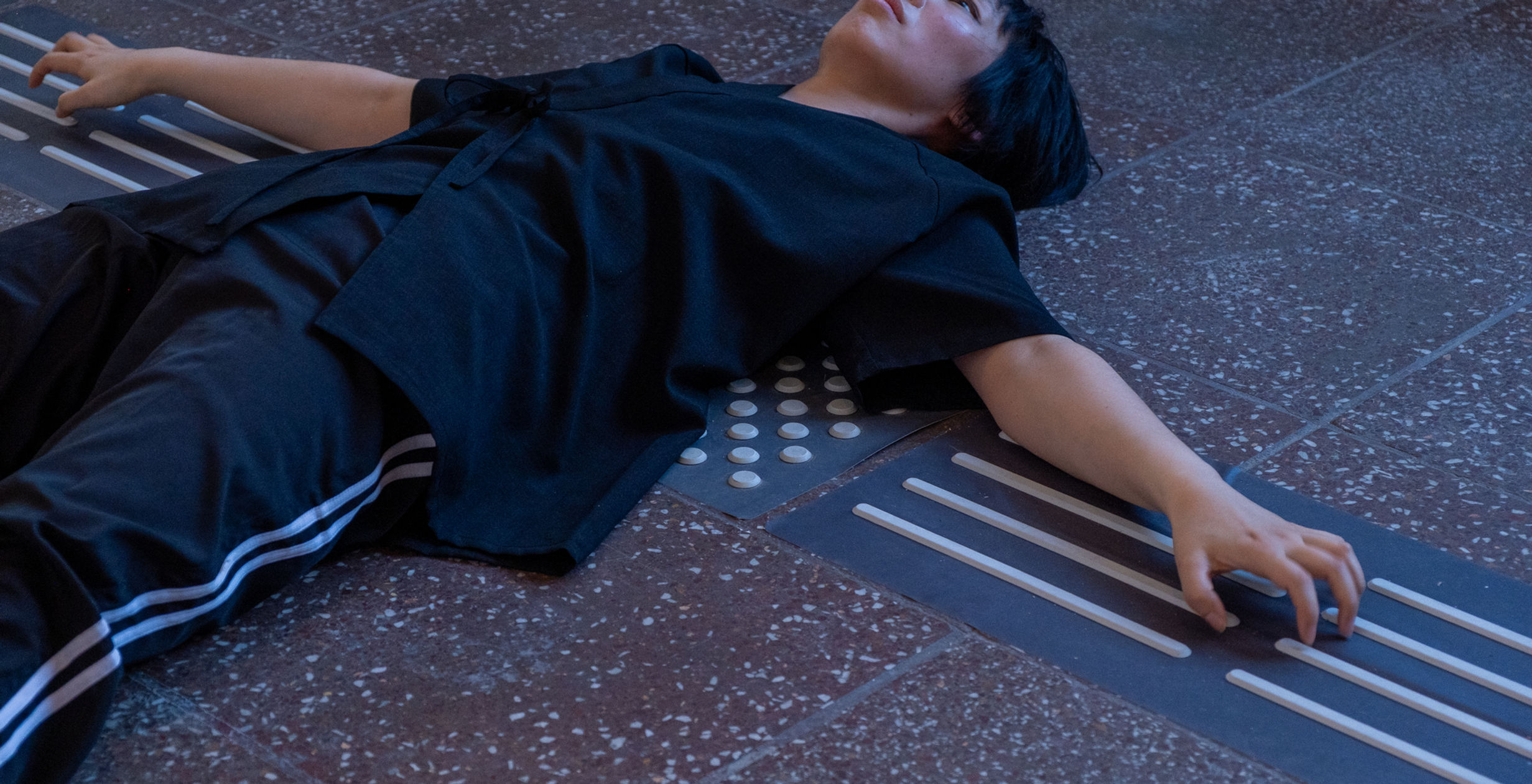
Crip Epistemologies is a vital platform for dialogue, education, and creativity centred around the experiences of disabled, D/deaf, neurodiverse, and sick individuals, within Germany’s cultural context. By emphasizing the often-overlooked voices of disabled artists and activists and by connecting and celebrating disability cultures, this initiative aims to re-write pervasive ableist narratives that marginalize disability.
Curated by Berlinklusion’s Kate Brehme, the programme is disabled-led and, as the fourth part of HKW’s School of Quilombismo project, comprises workshops, lectures, and interventions that encourage in-depth engagement with themes such as producing, sharing, and archiving Crip knowledge. The word ‘Crip’ is derived from a derogatory term used to describe disabled people, reclaimed by many members of the community internationally to reposition disability as a positive marker of identity. Crip Epistemologies seeks to explore the politics of what disabled artists, scholars, and activists refer to as of being Crip and of Cripping, and particularly its complex intersections with disability, race, gender, and sexuality in Germany and beyond.
With contributions from Jay Afrisando, Dan Daw, Dodzi Dougban, Djamal Elangui Okoko, Prof. Dr. Petra Fuchs, Lichen Hamraie, Tom Käbisch, Eyk Kauly, Olivia Hyunsin Kim, Yon Natalie Mik, Maria Morata, Rina Nakano, Poppy Nash, Anne-Christin Plate, Qüpp (Ren Loren Britton, Simo, Schwarzrund), Udo Sierck, Steven Solbrig, Theater Thikwa, Dr. Syrus Marcus Ware, and others.
A full program of events can be found here: https://www.hkw.de/en/programme/school-of-quilombismo-crip-epistemologies
Access for Crip Epistemologies:
All Crip Epistemologies events and workshops are ‘relaxed’. This means that they are designed for visitors for whom sitting still for a long time is a barrier. This applies, for example, to neurodivergent people (including autistic people, people with Tourette’s or ADHD), people with learning difficulties or people with chronic pain. Noises and movements from the audience are welcome. Visitors can leave and return to the space at any time.
A variety of seating is available, please make sure that those who need beanbags are given priority. A quiet room is also available.
More specific access information for each event can be found on the individual event pages.
Information about the accessibility of HKW, including how to arrive, can be found here: https://www.hkw.de/en/the-house/accessibility/accessibility
A team of access friends are available during the event to assist with any further access questions you might have. For any access questions before the event, please contact education@hkw.de